
How to Get Court Records
Know the case number first. That single detail, plus the name of the exact document, lets Wright County Court Administration route a records request without delay. Staff there handle the district-court clerk function for the Wright County District Court. They also keep the case-management files for criminal, civil, family, probate, juvenile, traffic, and conciliation matters.
Begin with the official MCRO Case Search. Use it to find the file number. Use it, too, to find the Register of Actions event that names the document you want. When a public image exists, Document Search by complete case number is the next step. Remember what MCRO is, though. It is an access service, not the certified official record of the court.
- Identify the case number, parties, approximate year, and exact document or Register of Actions event needed.
- Use MCRO for the public case view or Document Search for an available public PDF.
- Use the courthouse MPA terminal when remote access does not display a public record.
- Request a specific plain, certified, exemplified, or certified-and-exemplified copy from Court Administration in person or by mail.
- Call the office for a local question, and contact the assigned court reporter directly for a transcript.
Wright's records page takes a written request. It publishes no required general public copy form, and staff cannot pick the document for a requester.
Wright County Court Records Counter
The records counter handles what MCRO cannot. That means a specific file, a copy question, or a certification request. Those are done in person at the courthouse.
Plenty of counter requests finish the same day. The key is naming the exact case and document up front. Copy fees can be paid in cash, check, or credit card. Expect longer waits for off-site files, microfilm, multiple files, or confidential-data review. The official Wright records and transcript request page spells out the counter and mail instructions. It also separates a court file request from an order for a hearing transcript.
Wright County Court Administration
Wright County District Court
3700 Braddock Avenue NE, Room 1100
Buffalo, MN 55313
(763) 760-6300
The local request channel earns its keep in two situations. Older files missing from the online docket are one. The other is any matter needing a court-issued certification. Guessing from a case caption alone will not do.
The official Wright request screen lays out the court-specific routes for both records and transcripts.
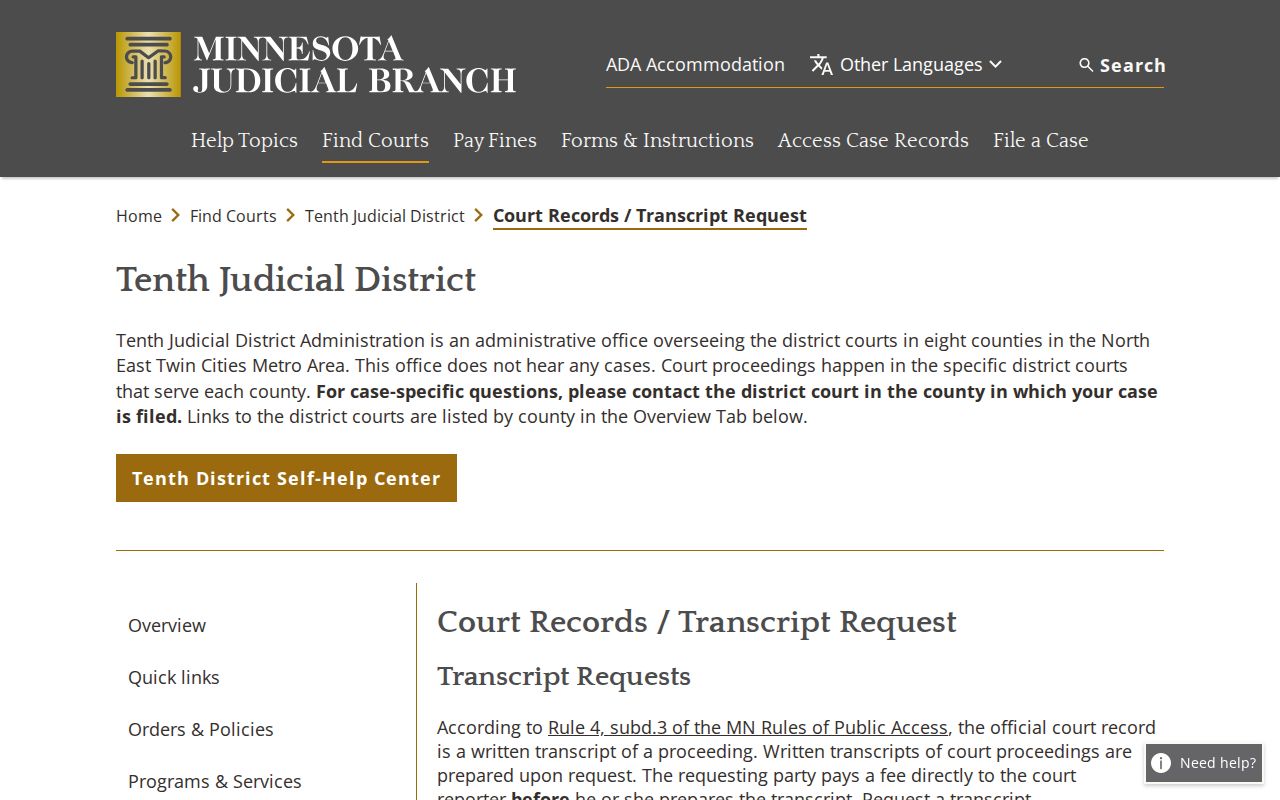
Its local instructions push an exact-document request over a broad ask for everything tied to a case.
Types of Court Records
A Wright County court record can be three different things. It may be an event list, a filed document, or a certified court copy. Each one answers a different records question. So it pays to know which you need before you ask.
The Register of Actions is the chronological index of filings, hearings, and recorded actions in a case. A filed document is the actual pleading, citation, motion, order, judgment, exhibit, or notice behind one of those events. A certified copy carries the court's own verification. Ask for the form you need by name. An MCRO screen or a downloaded document is not automatically certified.
- Register of Actions entries, hearings, dispositions, and financial summaries.
- Public pleadings, motions, orders, judgments, citations, and notices linked to case events.
- Criminal, civil, family, probate, traffic, and conciliation court files, subject to access rules.
- Case-management reports, including a defined report range when the request calls for one.
- Transcript requests, which are prepared and priced by the assigned court reporter.
Wright County Court Record Copies
Decide the copy level before sending anything. A public image and a certified court copy are not interchangeable. Mixing them up wastes a trip.
The three forms of information serve separate needs. MCRO's Case Details screen shows the Register of Actions. It can display case information, parties, events, hearings, dispositions, bond or bail activity, and financial information. Document Search needs a complete case number. It returns whatever public images exist for that case. A certified copy bears the court's verification and must come from Court Administration. No MCRO watermark or signature turns a download into a certified record.
Coverage depends on age. Broad public criminal, civil, and probate documents filed on or after July 1, 2015 have the strongest remote reach. Eligible court-prepared judgments, orders, and notices from July 1, 2005 through June 30, 2015 have thinner coverage. Anything earlier may be limited online. It may be held off-site, stored on microfilm, or gone under the retention schedule. The current MCRO overview lists public downloads as free.
The official court copy-request page explains the difference between plain, certified, and exemplified copies.
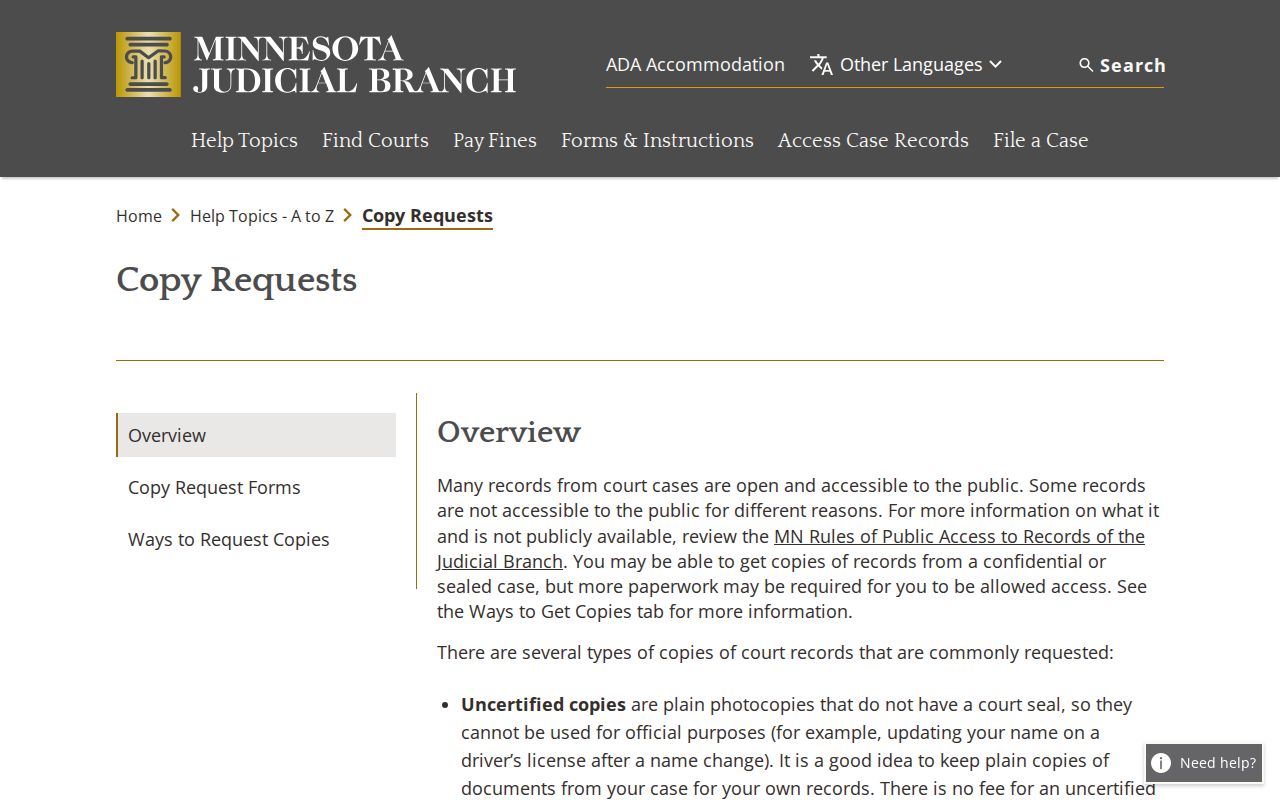
State the copy level in the written request. That one line lets Court Administration apply the correct record process and fee.
What a Court Record Contains
A full Wright County court file can show far more than the search-result row. How much is public still depends on the case type and the access rule that governs it.
Case Information identifies the file, caption, type, filed date, venue, judicial officer, status, citation number, and related-case flags. Party Information lists roles and attorneys, with sensitive details suppressed. Case Events supply the timeline. Visibility varies by case type and public-access rule. So a missing document does not prove no document exists.
| Case number | The unique Wright court identifier, often beginning 86. |
|---|---|
| Case Events | Newest-first recorded actions, event descriptions, document index numbers, and available public images. |
| Hearings | Past and scheduled dates, with the local calendar adding daily setting context. |
| Orders and judgments | Filed court rulings or final decisions when public and available. |
| Dispositions | Recorded civil, criminal, family, or probate outcome details. |
| Financial information | Fines, fees, payments, credits, or balances associated with the case. |
Wright County Court Record Mail
A mailed request to Wright County works best when it names one specific document. Staff in Room 1100 need the case, the copy level, and a daytime contact. They cannot act without those.
Give the clerk enough detail to pull a single file without guesswork. List your name, return address, and daytime phone. Add the case name or file number. Include the approximate year if you know it, and the exact document title or date. Say how many copies you want. Note whether you prefer plain, certified, or another copy level. State a delivery or pickup preference too. Enclose payment in full for any charged copy. Mail everything to Court Administration, 3700 Braddock Avenue NE, Room 1100, Buffalo, MN 55313.
Expect about a five-day turnaround by mail. The counter is often faster for ordinary requests. Also note that Wright's court pages publish no dedicated public copy-request email, fax intake rule, or drop-box process. Treat none of those as an official channel. If the file is sensitive or may sit off-site, call ahead first.
Note: A file number plus an event description makes any records request more precise.
Certified Copies and Fees
Fees in Wright County depend on the copy service you ask for. No flat price covers every court file.
Plain copies of civil or criminal instruments are listed at no charge. Certification is a separate service. The published District Court fee page shows $14 for a certified document. It lists $28 for a copy that is both exemplified and certified. Check the Wright county selector for any law-library component before you count on a total. The court charges no separate search fee. None appears here.
| Wright court-record item | Published amount | Use |
|---|---|---|
| Uncertified civil or criminal copy | $0 | Plain requested instrument, subject to Court Administration’s process. |
| Certified copy | $14 per document | Court-issued verification for a civil or criminal instrument. |
| Exemplified, uncertified copy | $14 | Exemplification without certification. |
| Exemplified and certified copy | $28 | Both exemplification and certification. |
| Case-management report, 1 to 50 pages | $5 | Email or paper report. |
| Case-management report over 50 pages | $25 per 50 pages or part | Published additional report interval. |
The District Court copy-fee page is the current official fee source.
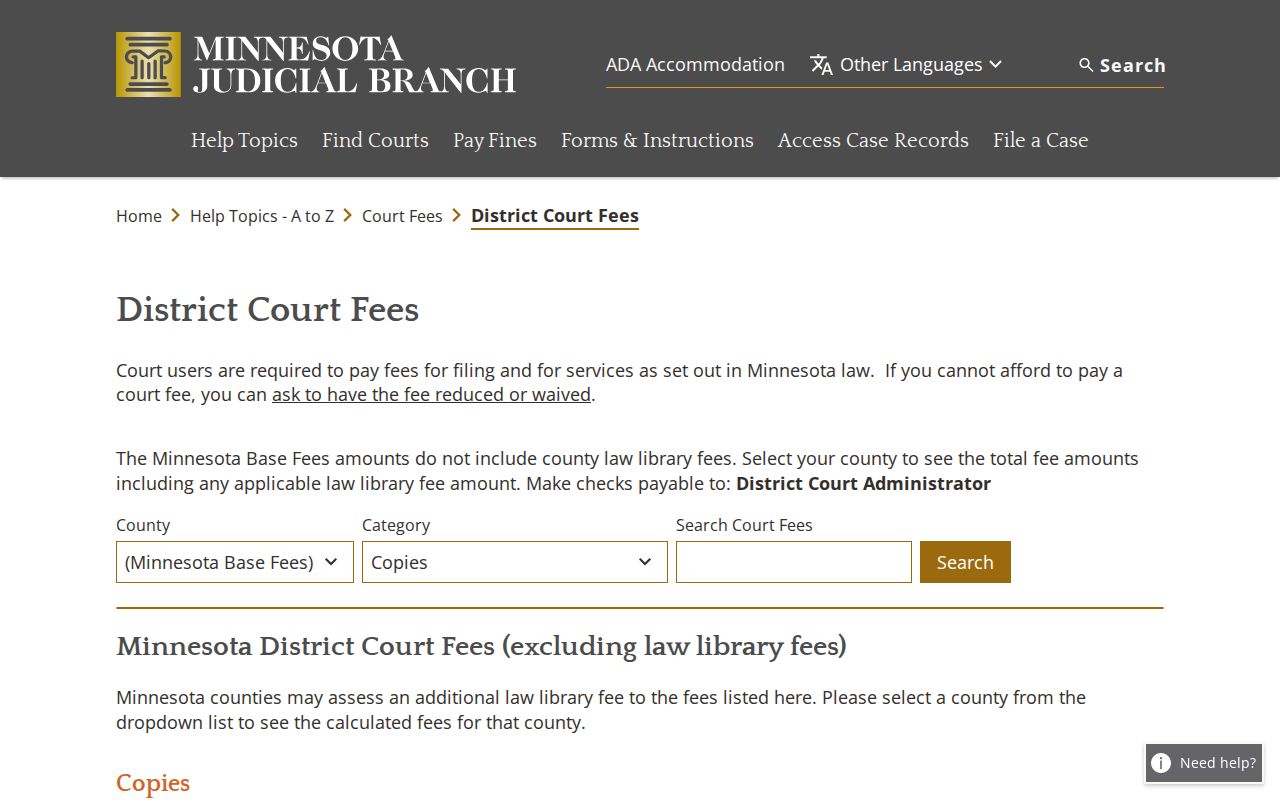
Know what you need before you file the Wright request: plain, certified, or exemplified. The fee schedule prices each one differently.
Wright County Court Transcript Records
A Wright County hearing transcript does not travel the same road as a docket sheet. The Register of Actions sits with Court Administration. Even so, the transcript itself comes from the court reporter.
The assigned reporter prepares it. You pay that reporter directly, before any work starts. No flat public transcript price is published. Your request should name the hearing date and the case, then go to the reporter. Court Administration can route a transcript request. It cannot hand you a transcript the way it hands you an ordinary document copy.
Federal cases are another world entirely. CourtListener and RECAP give free access to many federal docket entries and documents. The collection stays incomplete. A federal public record is not a copy of anything in a Wright County District Court file.
The CourtListener screen shows how this separate federal channel looks.
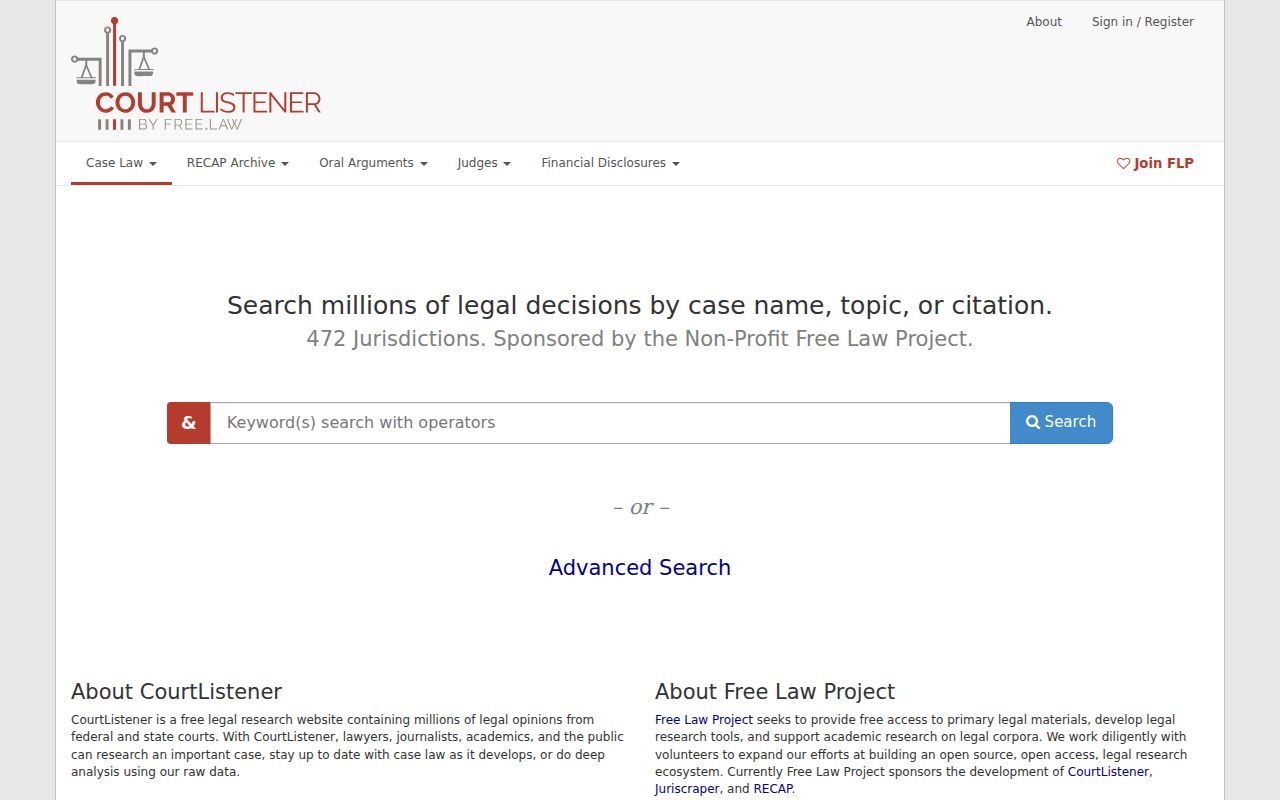
For a state-court matter, Wright Court Administration holds the file. For a federal case, use the federal court channel instead.
Public Access and Sealed Records
Public access in Wright County is wider at a courthouse terminal than it is online. A sealed Wright County record stays closed either way. Only a court can open it. The Minnesota Rules of Public Access govern what counts as a public court record. The county's administrative records process does not control the question by itself. Some files are open at the terminal yet blocked in MCRO, the remote system. Some categories are restricted remotely. These include protected addresses and comments, many juvenile and family matters, OFP and HRO material, CHIPS cases, D16 juvenile-felony records, public commitment material, and certain public warrants. A court order can seal a file or a single document too. So a missing online docket entry may simply mean the court records rule limits remote view. That does not mean the case is hidden forever.
Key Rules:
Minn. R. Pub. Access 4 makes case records generally accessible subject to listed nonpublic categories, court orders, and remote-access limits.
Minn. R. Pub. Access 8 distinguishes inspection at a courthouse from remote internet access.
Minn. Stat. §13.03 provides public-data background for county-held administrative records, while court-specific rules govern court files.
Minn. Stat. §609A.01 describes expungement relief that seals covered records and limits disclosure.
Expungement does not destroy the record behind it, and Court Administration cannot override a seal on its own. Anyone asking for restricted access needs court authority plus the right supporting information. The Minnesota expungement statute sets out the source rules for sealed Wright County court records.
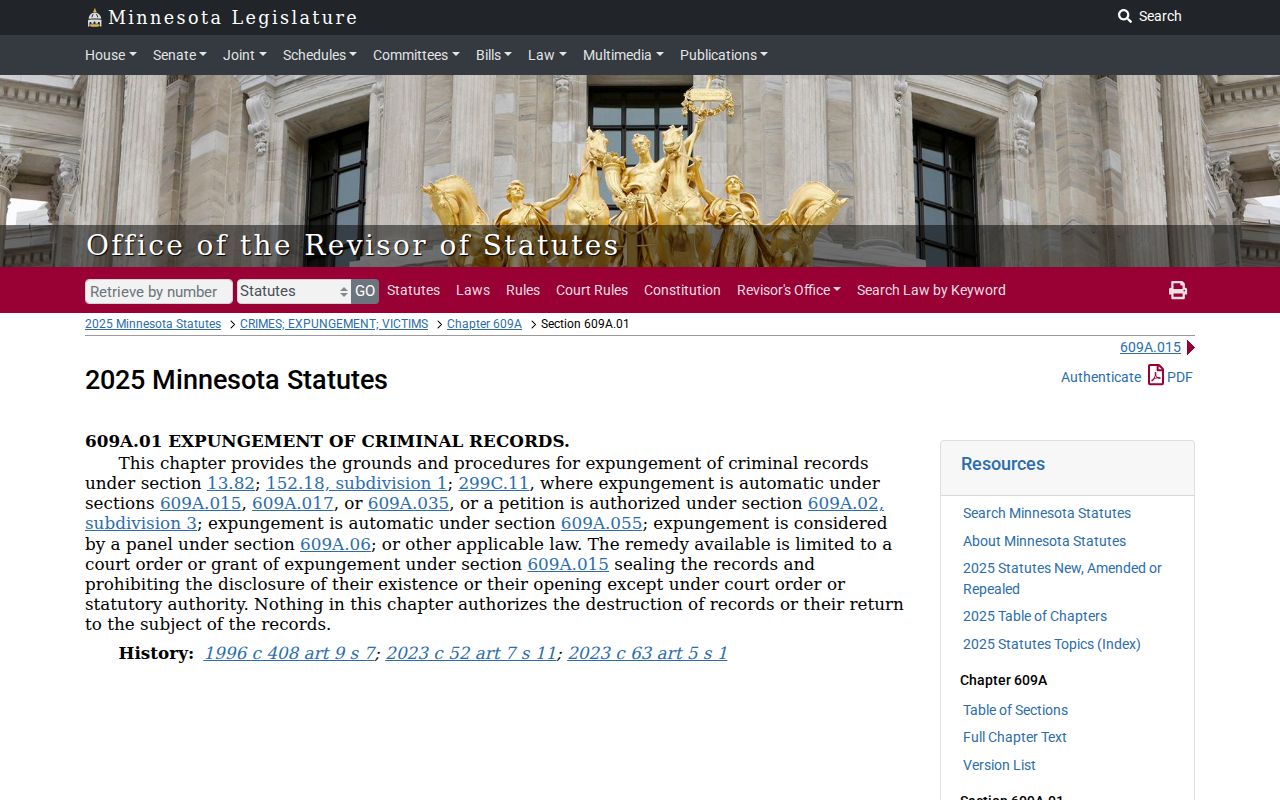
That statute explains why a blank remote result never promises that a restricted record will be released. Access still runs through the court, not the docket search.
Wright County Restricted Court Records
A Wright County restricted-record request must state the legal basis for access. A routine remote search cannot settle it. The statewide CON100 instructions govern requests for confidential or sealed material. The form asks who is asking and about whom, the court file number and title, and the requester's relationship or authority. It also wants a description of the record, plus the reason and extent of access sought. Add a signature and date. Include a supporting order or authorization when one is required. Treat it as a permission request. It is not a standard order form for plain copies.
Send the request to Wright County Court Administration and wait for the court's decision. The instructions note that a copy-request form is not mandatory. Another written request may be accepted. The legal basis for access is still required. When a record is public but absent remotely, try the MPA Courthouse terminal first. That keeps a clear line. It separates a Rule 8 access limit from a truly sealed court file.